

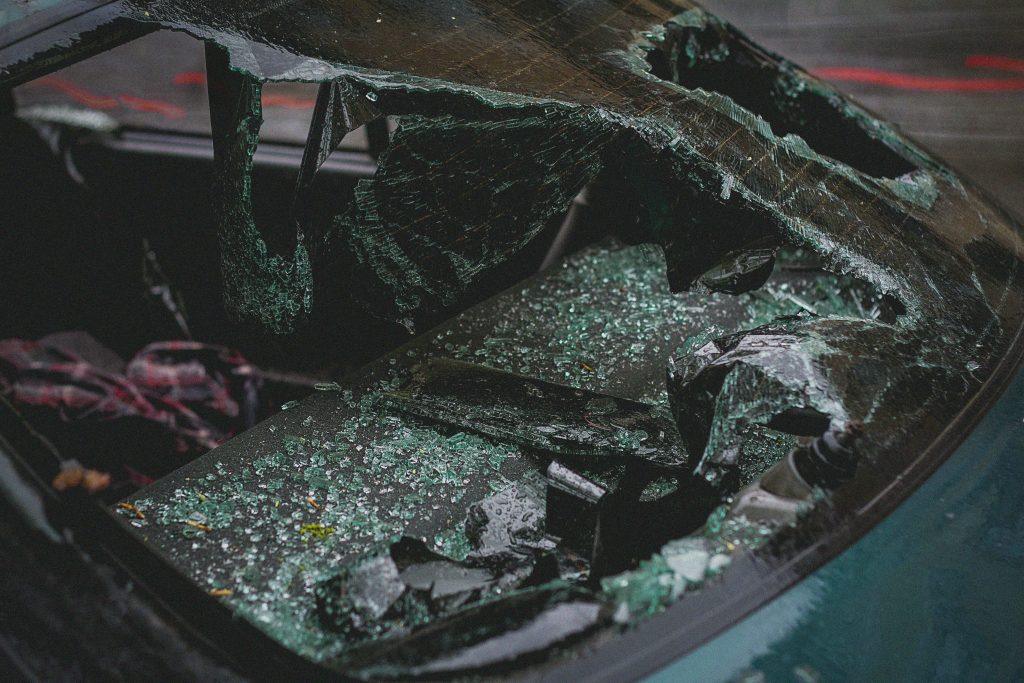
Having your car written off can be a stressful and confusing experience especially if it happens suddenly after an accident or theft. Many drivers are unsure what happens next, how insurance works, or whether they’ll be left out of pocket.
In this guide, we break down exactly what happens if your car is written off in the UK, what your insurer will pay, and how you can protect yourself financially.
What Does “Written Off” Actually Mean?
A car is considered “written off” when the cost of repairing it is more than the vehicle is worth, or when it is deemed unsafe to return to the road.
Insurance companies classify write-offs into categories, including:
- Category A: Scrap only (cannot return to the road)
- Category B: Parts can be salvaged, but shell must be scrapped
- Category S: Structural damage but repairable
- Category N: Non-structural damage
These categories determine whether your car can be repaired or must be permanently removed from the road.
How Much Will Insurance Pay?
If your car is written off, your insurer will usually pay the current market value of the vehicle not what you originally paid.
This is where many drivers are caught off guard.
For example:
- You buy a car for £15,000
- A year later, it’s worth £11,000
- Your insurer pays £11,000 — not £15,000
If you still owe money on finance, you may need to cover the difference yourself.
What If You Still Have Finance on the Car?
If your car is on finance, the payout from your insurer will typically go towards settling the outstanding balance.
However, if the payout is less than what you owe, you’ll still be responsible for the remaining amount.
This situation is more common than many drivers realise, especially with newer vehicles that depreciate quickly.
Can You Dispute the Insurance Valuation?
Yes if you believe your insurer has undervalued your car, you can challenge it.
To do this, gather evidence such as:
- Listings of similar vehicles for sale
- Service history and condition details
- Recent upgrades or modifications
Providing strong evidence can sometimes lead to a higher payout.
What Happens Next?
Once your claim is settled:
- Your insurer will take ownership of the vehicle (in most cases)
- You’ll receive the payout
- You can then choose to buy a replacement vehicle
If your car is repairable (Category S or N), you may be able to retain it but this depends on your insurer.
The Hidden Risk Many Drivers Miss
One of the biggest surprises for drivers is the financial gap between what they’re paid and what they need to replace their car.
This gap can leave you:
- Out of pocket
- Still paying finance
- Unable to afford a similar replacement vehicle
It’s a common issue, especially in the first few years of owning a car.
How to Protect Yourself Financially
To avoid being left out of pocket, many drivers consider additional protection beyond standard car insurance.
This is where products like GAP insurance come in covering the difference between your insurer’s payout and what you originally paid or still owe.
It’s particularly useful for:
- New or nearly new cars
- Vehicles bought on finance
- High-value vehicles
Having your car written off is never ideal, but understanding the process can make it far less stressful.
The key things to remember:
- Insurers pay market value, not purchase price
- You may still owe finance after a payout
- You can challenge valuations if needed
- There are ways to protect yourself financially
Being informed means you can make better decisions and avoid unexpected costs.
Need Help Protecting Your Vehicle?
If you’re concerned about depreciation or potential financial loss, it may be worth exploring your options.
At Alternative Insurance Brokers, we help drivers find tailored solutions to protect their vehicles and finances.
Call 0161 388 2520 for a free, no-obligation quote and advice.
