

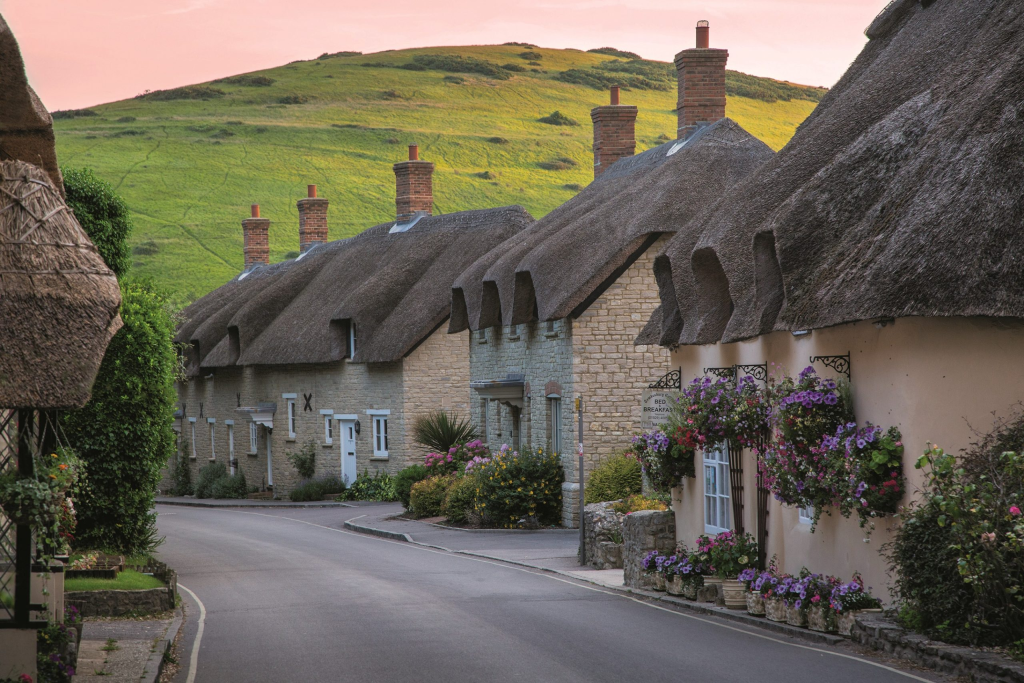
There are around 60,000 thatched buildings in the UK, and almost every owner discovers the same thing at renewal. Type the details into a comparison site and the quotes either vanish or come back at a figure that looks like a mistake. Thatch is not uninsurable. It just sits outside what mainstream insurers are set up to handle.
Why insurers treat thatch differently
The obvious concern is fire. Thatch does not catch light easily, but when it does the fire spreads through the roof quickly and a large part of the property is usually lost rather than damaged. Most thatch fires start in the chimney, not the roof itself.
The second concern is cost. Rethatching is skilled work carried out by a small number of craftspeople, and materials such as water reed or combed wheat straw are not held in bulk. A claim on a thatched property is far more expensive to settle than the same claim on a tiled one, and it takes longer.
Add the fact that many thatched homes are also listed, timber framed or in a rural location some distance from a fire station, and a standard household policy simply does not have a box to put them in.
What specialist cover looks like
Thatched property insurance is underwritten individually rather than by algorithm. The building is usually insured for its full rebuild cost using traditional methods and materials, which is often considerably higher than the market value.
Cover normally extends to alternative accommodation while the roof is replaced, which matters when the work can take months rather than weeks. Contents, liability and outbuildings are dealt with as you would expect, and cover for listed building requirements can be added where the property is protected.
What you will be asked
Expect questions on the chimney above anything else. Insurers want to know when it was last swept, whether it has been lined, and whether a wood burner has been fitted, since badly installed stoves are a common cause of thatch fires.
You will also be asked about the age of the thatch and when it was last re-ridged, the material used, the state of the electrical installation, and whether smoke and heat detection is fitted.
Keeping sweeping certificates and a record of any electrical inspection makes the whole process quicker and puts you in a better position at renewal.
Getting cover in place
If your renewal has come back blank, or the only quote you have had is one you cannot justify, it is worth speaking to a broker with access to the specialist market rather than trying the comparison sites again.
Call Alternative Insurance Brokers on 0161 388 2520 and we will talk through your property.
